

Balance, Coordination and Stability
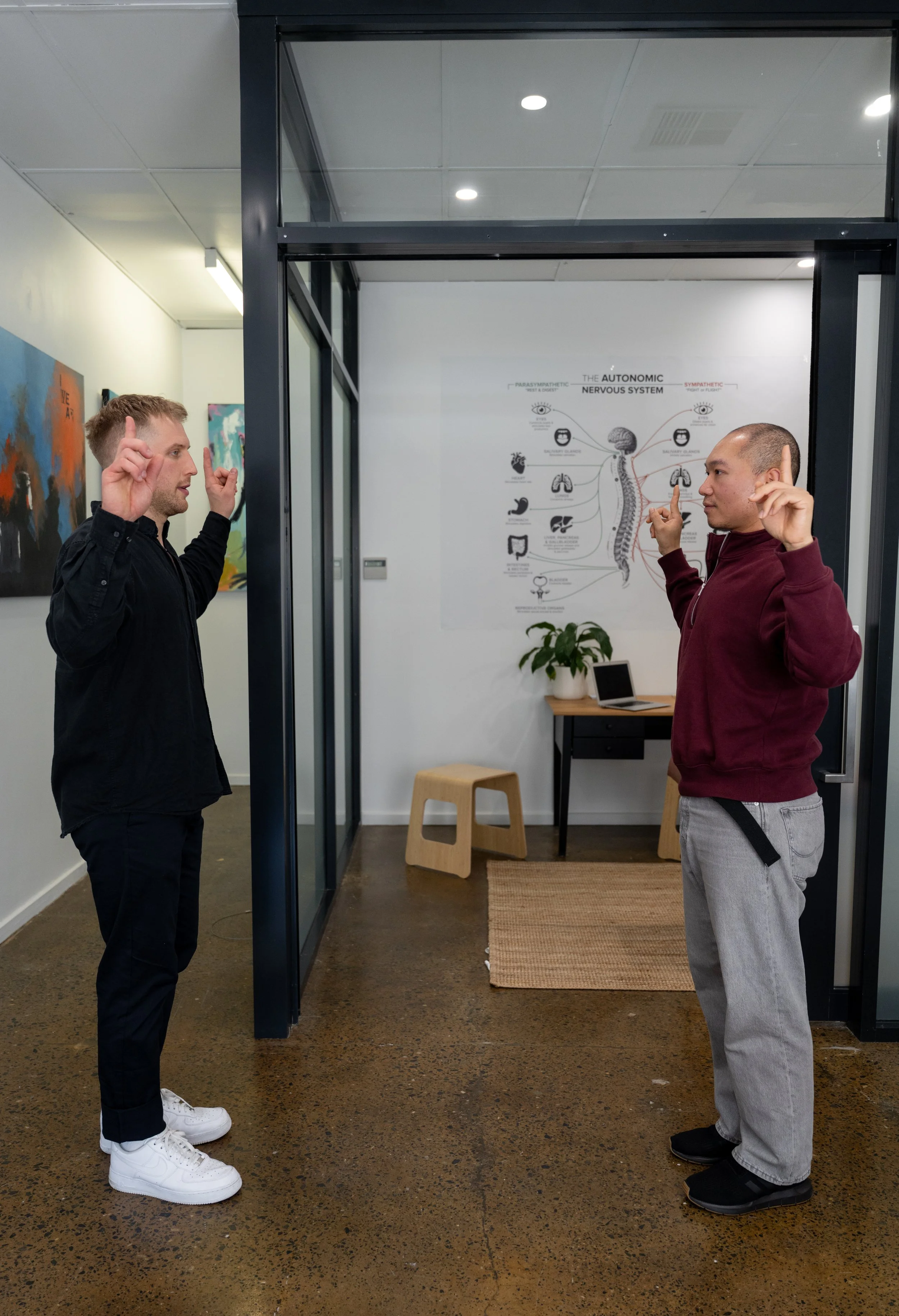
Maybe you've noticed you're a little wobbly standing on one leg, or that turning around quickly leaves you feeling momentarily unsteady. It can be easy to dismiss — but these small signs are often the nervous system's way of telling you something worth paying attention to.
How steadily and confidently you move is one of the clearest indicators of how well your nervous system is functioning — and research consistently links it to long-term health and longevity.
Balance is not reserved for any one stage of life. In children, the neurological foundations for coordinated movement are still being established. In older adults, maintaining stability is one of the most significant factors in preserving independence. And for those recovering from injury, proprioception — the body's sense of where it is in space — is often the last thing to fully return, leaving people feeling off long after the pain has gone.
Chiropractic care works at the source of this. The spine is the primary conduit of the nervous system, and how well it moves directly influences how accurately the brain receives and responds to information about the body's position. By restoring more normal function to that system, chiropractic supports your capacity to move with greater ease, coordination, and confidence — at every stage of life.
2025
"The brain and body are not separate — what affects one affects the other." — B.J. Palmer